
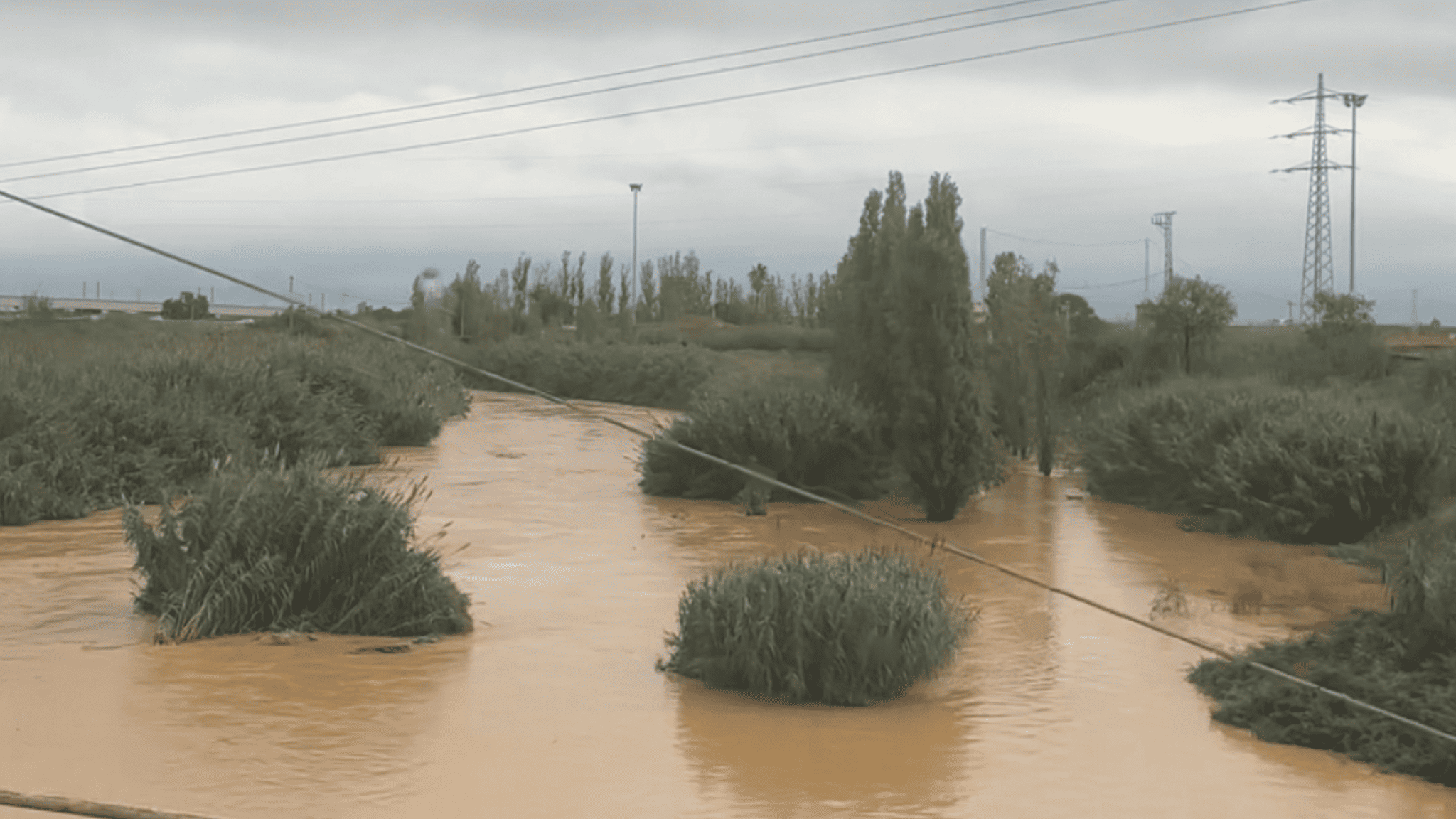
The impossible was not a tsunami movie: it was real life for Catalonia. The torrential rains of the DANA’s lashed the Baix Llobregat. Streets turned into rivers, infrastructures collapsed and residents sheltered in their homes were part of a dramatic sequence that no one expected to live so close. For many people it was something impossible that could happen.
During the last week, the whole country has been watching a single event, the Isolated High Level Depression (DANA). Valencia was the first community to suffer the effects of this storm. From the first moment, Spain gave its full support. But the squall didn’t stop there and unfortunately, it has ended up reaching Catalonia with an intensity rarely seen before. Baix Llobregat and the province of Barcelona were the protagonists of this story.
But what DANA’s really been like?
Since the early hours of Monday morning, the Meteorological Service of Catalonia (Meteocat) issued red level warnings and alerts about meteorological phenomena throughout the region. As a precaution, they warning the population to take extreme precautions. While the minutes passed, the population began to realise that the weather was getting worse and they were afraid.
The situation reached a point where the seriousness of the problem prompted the authorities to activate emergency protocols and mobilize rescue teams in Baix Llobregat, one of the epicenters of the floods. With hundreds of calls to the emergency telephone number and firefighters working against the clock, protective measures and preventive evacuations were deployed. In addition, mobile phone alerts were soon sent out to ensure the safety of residents.
What has been the impact?
Torrential rains overflowed rivers, such as the Llobregat, and flooded roads and railways, paralyzed transport in many regions. The impact of the DANA has been felt in all aspects of life in Baix Llobregat. Local commerce, public transport and academic activity have been severely disrupted.
One of the main sources of concern has been the overflowing of rivers. The Catalan Water Agency warned of an increase in the flow of the Llobregat river, which exceeded 650 m³. This situation led to the activation of alerts for possible overflows at several critical points. The authorities warned the population to stay away from streams and ravines, as the risk of flooding persisted even after the rain stopped in some areas.
What about transport?
The storm has brought torrential rain, with up to 150 litres per square metre in several locations, including Barcelona and Tarragona. Viladecans, in Baix Llobregat, reported the heaviest rainfall, reaching 131 mm.
Meanwhile, at Barcelona-El Prat Airport, 153 flights were cancelled as a result of the flooding, and several terminal areas were off-limits for use.
The impact on traffic has been devastating, with Rodalies suspended for hours and numerous roads cut off due to water accumulation. The C-32, one of the main roads connecting the Baix Llobregat with the city of Barcelona, suffered severe flooding, trapping vehicles and putting the safety of drivers at risk.
Fear and despair have been the feelings of a community. The DANA in Catalonia has left a deep mark on the Baix Llobregat and the province of Barcelona, highlighting the vulnerability of these areas to extreme weather phenomena. More and more frequently, our world reminds us of the fragility of our interaction with nature and the urgency of taking global action to change the climate. We must therefore start to realize the importance of protecting ourselves against phenomena that seem to be increasingly recurrent. However, risk protection awareness remains an issue that requires further attention, especially in areas with little experience of these weather events.